MIND MATTERS
Famous painters
There are 3 painters who also knew about medicine
.jpg)
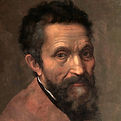
Michelangelo
Michelangelo di Lodovico Buonarroti Simoniwas was an Italian sculptor, painter, architect
.jpg)
Leonardo da Vinci
Leonardo di ser Piero da Vinci[b] (15 April 1452 – 2 May 1519) was an Italian polymath of the High Renaissance
.jpg)
Antonio del Pollaiuolo
Antonio Pollaiuolo (also spelled Pollaiolo), was an Italian Renaissance painter, sculptor
Painters
1
Michelangelo
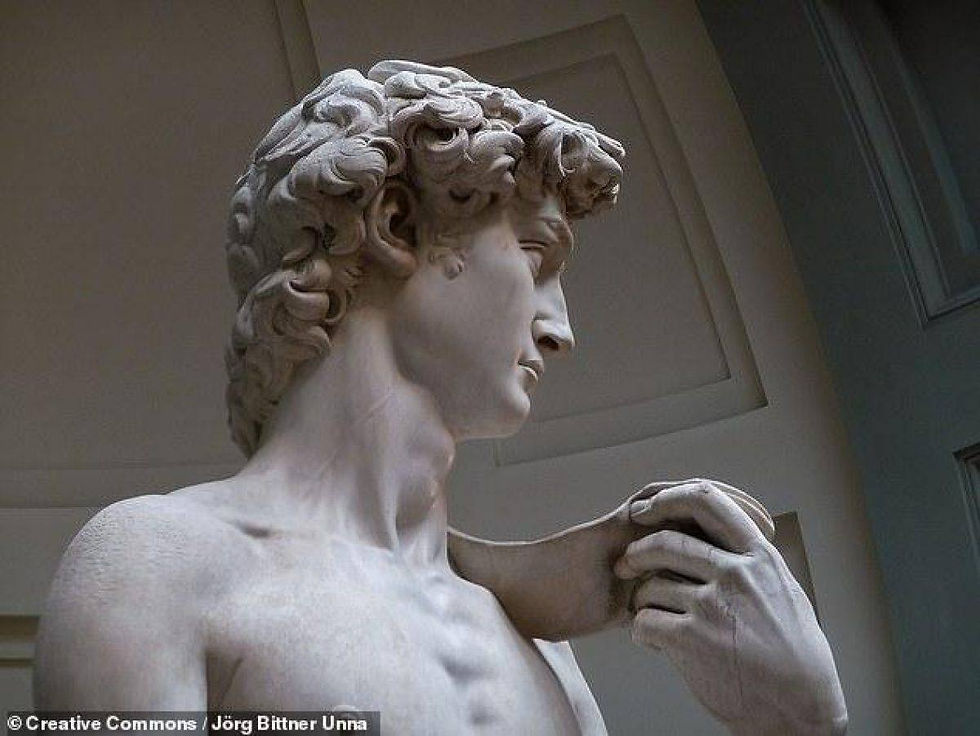
Michelangelo. Scientists suggest that the famous Renaissance sculptor and artist Michelangelo may have known the circulatory system even before doctors discovered it. As evidenced by the jugular vein on the neck of David. “Michelangelo, like some of his contemporaries, received anatomical training. He most likely noticed the expansion of this vein in young and healthy people who are in an emotionally stressed state,” Gelfman said.At the same time, Michelangelo's anatomical awareness is confirmed by his other sculptures.“I am amazed at this ability to recognize this and show it in my work. While in the physiology of the cardiovascular system there was very limited information regarding this,” the scientist added.

2
Leonardo da Vinci
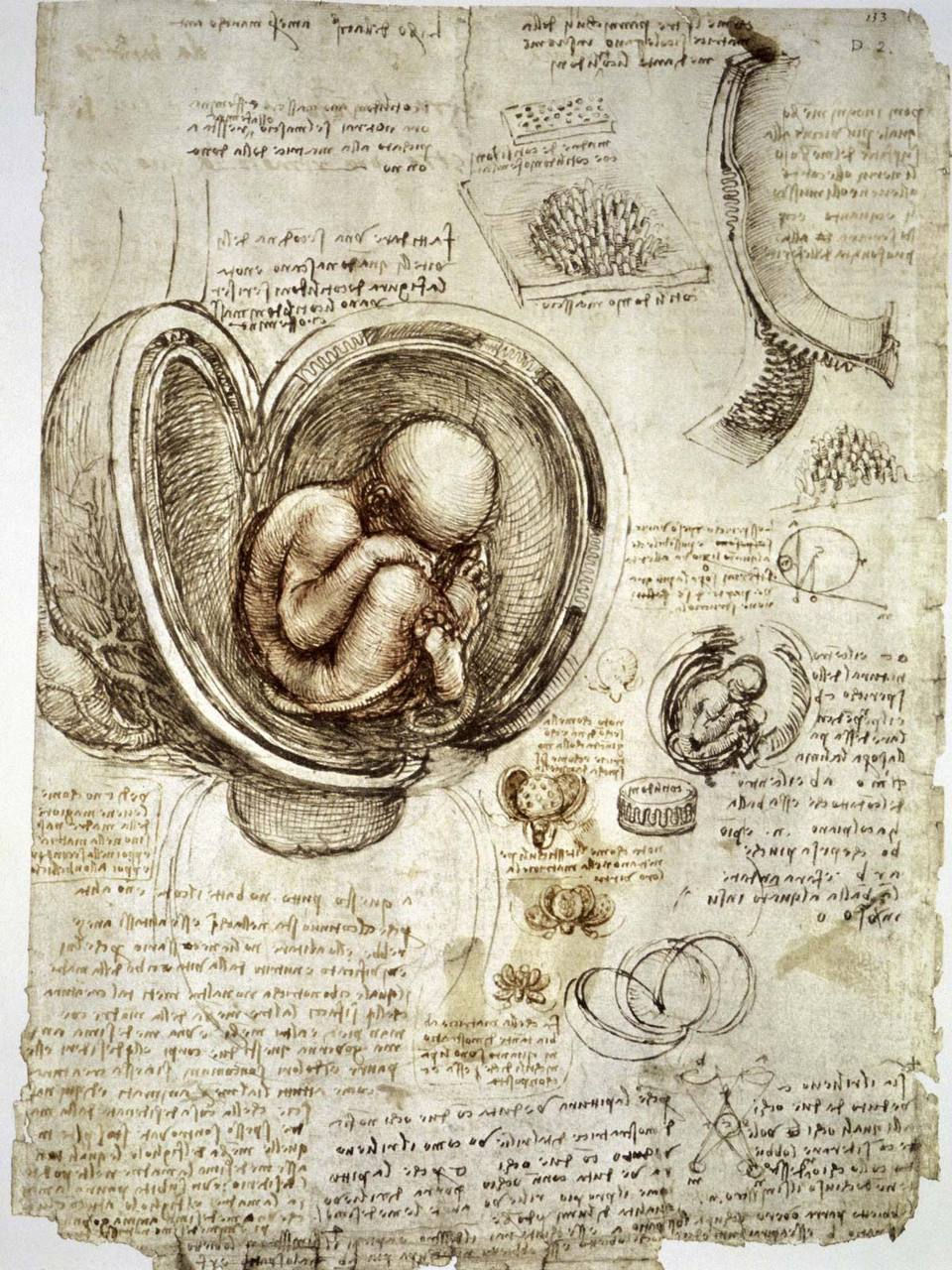
Leonardo da Vinci.Leonardo's pioneering research into the brain led him to discoveries in neuroanatomy (such as those of the frontal sinus and meningeal vessels) and neurophysiology (he was the first to pith a frog). Leonardo’s early anatomical studies dealt chiefly with the skeleton and muscles; yet even at the outset, Leonardo combined anatomical with physiological research. research. From observing the static structure of the body, Leonardo proceeded to study the role of individual parts of the body in mechanical activity. This led him finally to the study of the internal organs; among them he probed most deeply into the brain, heart, and lungs as the “motors” of the senses and of life.

3
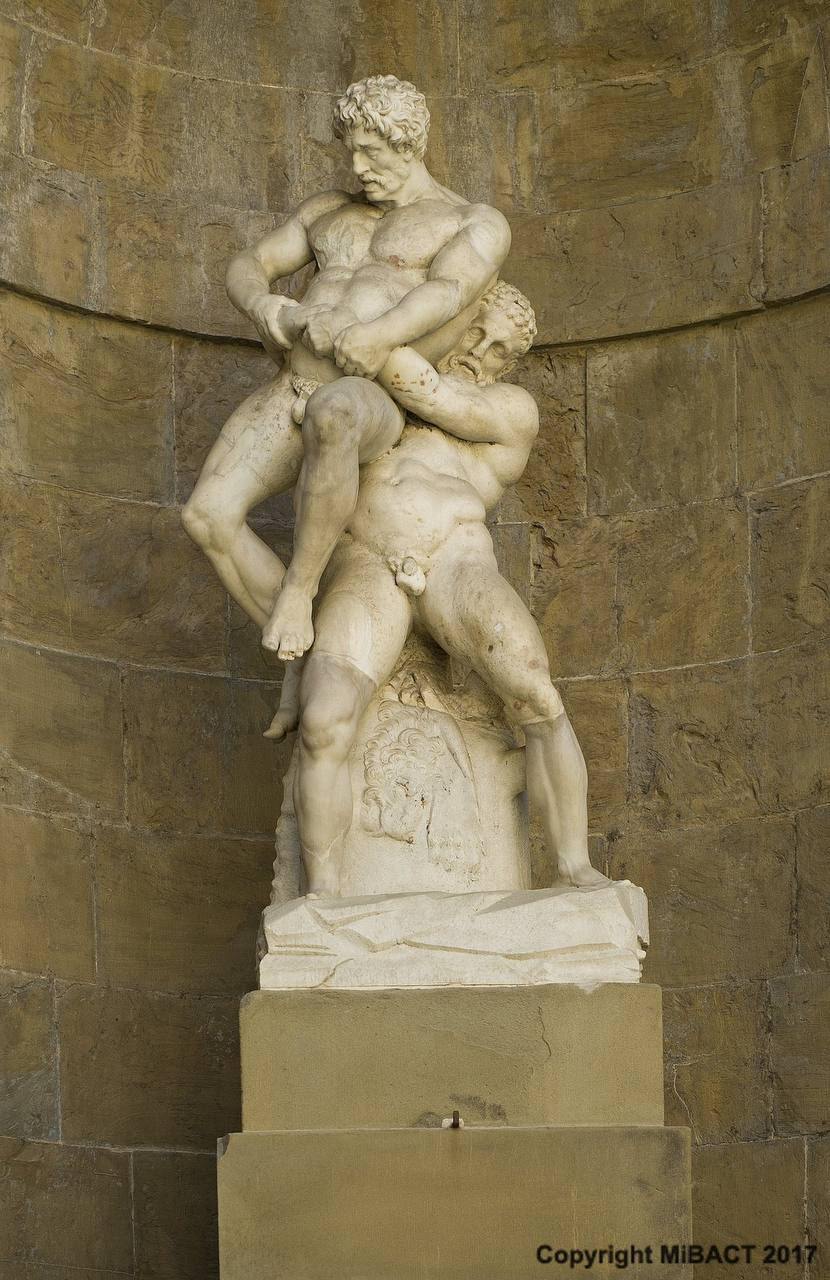
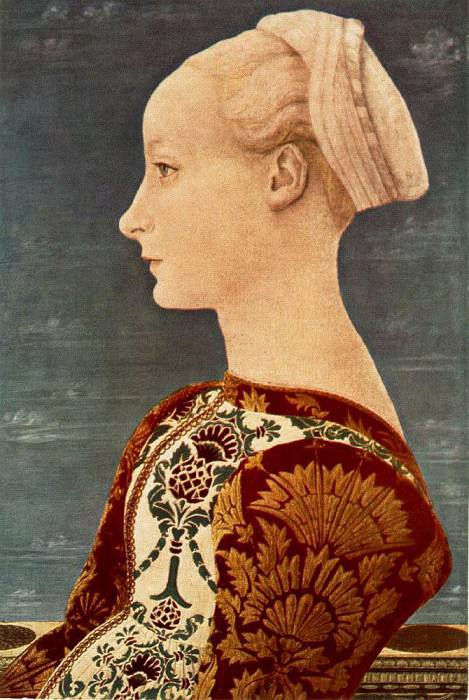
Antonio del Pollaiuolo
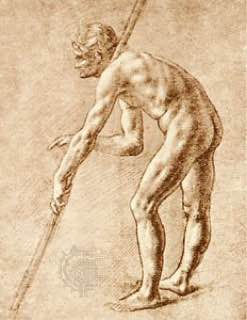
Antonio del Pollaiuolo. Antonio del Pollaioulo was an Italian Renaissance painter, sculptor, engraver, and goldsmith. His work shows both classical influences and an interest in human anatomy; reportedly, he and his brother carried out dissections to improve their knowledge of the subject.